How Do Probation Violation Cases Work in South Carolina?

Learn what counts as a probation violation in South Carolina, what happens after a warrant or citation, and what a judge can decide at the hearing.
If you’ve been accused of not following a condition of your probation after a conviction or plea, you’re facing an alleged probation violation. This accusation can lead to a judge revoking your probation and putting some, or all, of your suspended sentence into effect.
A probation violation case can begin with a warrant or a citation from your probation agent, and it can involve two hearings: a preliminary hearing with a hearing officer and a revocation hearing before a circuit judge. Revocation isn’t automatic. Our attorneys can explain how this may work in your case.
What Counts as a Probation Violation in South Carolina?
A probation violation is any alleged failure to follow a condition of your probation. The conditions the statute lists include not breaking any state or federal law, letting your agent visit your home, and working at a suitable job whenever possible. Other listed conditions include paying fines the court ordered, taking a drug test when your agent asks, and following a curfew or house arrest if the court ordered one.
The agent overseeing your probation works for the South Carolina Department of Probation, Parole and Pardon Services. Your conditions are not set in stone, though. The judge can change your conditions at any time. Your agent must give you a written statement of your conditions.
A probation violation may involve a new arrest, or it could be as simple as missing an appointment, a payment, or a drug test.
What a Judge Can Decide After a Probation Violation
A judge isn’t required to revoke your probation. The law gives the judge several options:
- Continue your probation: the judge can keep your probation in place as it is.
- Change your conditions: the court can modify your conditions at any time.
- Extend your probation: the judge can add time, as long as the total probation period stays within five years.
- Revoke your probation: the judge can put all of your suspended sentence into effect or only part. If only part is put into effect, the rest stays in place, and the court can act on it until your probation ends.
South Carolina’s probation statute doesn’t set a separate penalty for a first probation violation. These are all choices the law gives to the judge, not a prediction of your outcome. The judge’s decision depends on what happened, your history on probation, and what the judge hears at the hearing.
What Happens After a Probation Violation Warrant in South Carolina?
When your probation agent believes you violated a condition, the agent can issue a warrant or a citation. On a warrant, you can be held in the county jail until you’re brought before the judge. Your agent will also send the court a written report of the alleged violation.
You can be released on bond while you wait for your hearing. The bond can include the payment of money and conditions you must follow. A magistrate sets it in the county where you’re held or where the alleged violation happened.
With a supervisor’s approval, your agent can instead offer administrative sanctions. These are added conditions you agree to in writing. If you don’t agree or don’t complete the sanctions, your agent can start revocation proceedings.
What Happens at a Probation Violation Hearing?
A probation violation can involve two hearings. The first is a preliminary hearing with a hearing officer from the department. The hearing officer decides whether there is enough reason to believe the violation happened. The hearing officer can send the case on to a judge or, in some cases, order administrative sanctions instead.
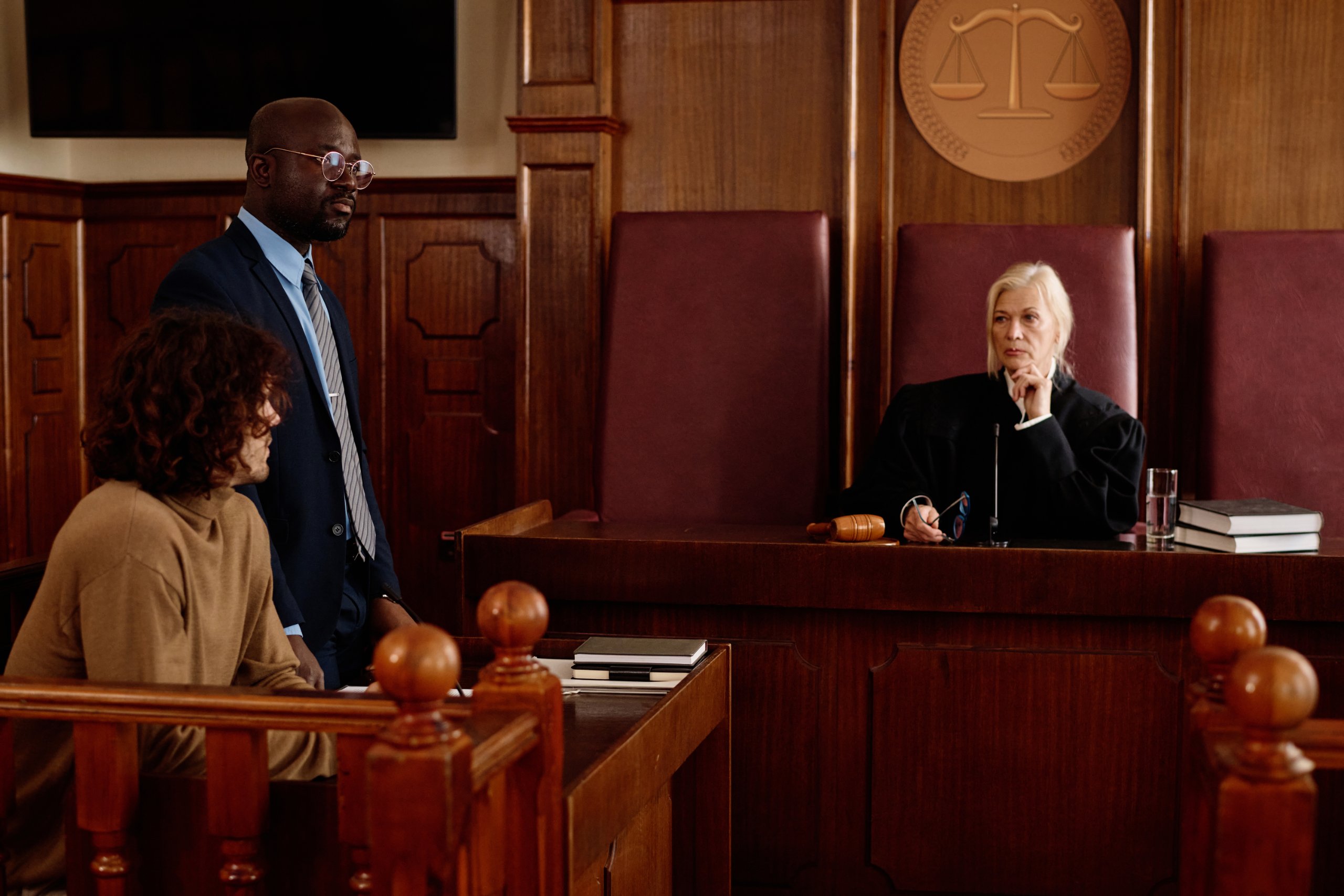
The second is the revocation hearing, where a circuit judge decides whether the violation happened and what comes from it. The judge will hear from your probation agent but will also hear from you through your attorney. What the judge hears from you includes what was going on at the time of the alleged violation and what you’ve done since. Your attorney can make sure the judge hears your story and sees the person behind the alleged violation, not only the agent’s report.
What Else a Probation Violation Can Affect
A violation can affect more than just the time on your sentence:
- Credit you’ve earned on probation: with a term over one year, you can earn compliance credits, which are days of credit for each 30-day period you substantially meet your conditions. The department may take back earned credits after a violation.
- A new charge, if there is one: when the alleged violation is a new arrest, the new charge isn’t simply added to your probation case. Rather, it becomes its own case with its own consequences.
- Additional fines and fees: these can lead to unpaid balances after probation ends, and those balances can keep you under quarterly administrative monitoring even after your term is over.
- Your job and your daily routine: time in jail after a revocation could result in losing your job, and house arrest or a curfew changes where you can be and when.
What Our Attorneys Look at in an Alleged Violation
Our attorneys start with what defenses you may have: Can the violation in your agent’s report be shown, and was the condition one the court ordered and your agent gave you in writing?
Probation agents and officers must follow specific rules when searching someone on probation. We check whether they did. A search of a person on probation needs reasonable suspicion. The officer has to confirm you’re on probation first. For example, a person on probation for a Class C misdemeanor or an unclassified misdemeanor carrying one year or less is not required to agree to warrantless searches at all.
Then we look at what led to the violation, including work, health, treatment, or your ability to pay. Based on what we find, we consider whether administrative sanctions or changed conditions would fit better than revocation.
Probation Violation FAQs
Is a Probation Violation a New Criminal Charge in South Carolina?
A probation violation isn’t a new crime by itself in South Carolina. It follows your original sentence, where the judge decides whether to revoke your probation. If the alleged violation is a new arrest, that new charge is a separate case. An attorney can explain how the two cases relate in your situation.
Is It a Violation If You Fail to Pay Your Fines and Fees?
Falling two or more months behind on your supervision fee may be grounds to revoke your probation in South Carolina. If you still owe fines or fees when your term ends, you’re placed on administrative monitoring, not more probation. A court can confine you for nonpayment then only if it finds you can pay but haven’t made reasonable progress, as long as it doesn’t exceed 90 days.
What Happens if You Got a Probation Violation Citation Instead of a Warrant?
A probation violation citation means you weren’t arrested, but you’re still required to appear at the time, date, and place the citation lists. The citation also states the alleged violation and your rights. Not appearing at the hearing doesn’t mean it doesn’t happen. The hearing will be held without you, and you may be imprisoned as a result. You should bring the citation with you when you talk with an attorney.
Charged With a Crime in South Carolina? Talk With Our Attorneys
If you’ve been charged with a crime in South Carolina, our criminal defense attorneys can explain what you’re facing and what can happen next. Our initial consultations are always free. Call 864-568-4750 or contact us through our online form today.
This post is for general information only and is not legal advice. Reading it does not create an attorney-client relationship. Every case is different; for advice about yours, talk with a criminal defense attorney.